
By the time we reached 2026, the days of unregulated chaos in digital asset markets had largely faded into history. If you are reading this as an investor or business leader, you likely remember when choosing an exchange felt more like a gamble than a strategic business decision. Today, the conversation has shifted entirely. We are no longer asking which platform will survive the next winter, but rather which institution offers the capital efficiency, insurance, and audit standards required for high-net-worth portfolios. The maturation of the cryptocurrency sector means you now have access to infrastructure that rivals traditional equity markets, yet the complexity of choice remains. Finding the best crypto exchange in 2026 requires looking beyond flashy marketing to understand the plumbing of liquidity and custody that supports your wealth.
Key Takeaways
- The best crypto exchange in 2026 prioritizes institutional-grade security through Multi-Party Computation (MPC) and verified Proof of Reserves audits.
- Investors should focus on liquidity depth and slippage costs rather than headline fees to ensure efficient execution for large volume trades.
- Top centralized platforms like Coinbase and Kraken offer essential regulatory compliance and banking stability for high-net-worth portfolios.
- Decentralized exchanges such as Uniswap provide a viable alternative for self-custody and access to assets not listed on major centralized entities.
- Modern trading venues now integrate AI-assisted trading terminals and tokenized Real World Assets (RWAs) for broader portfolio diversification.
The State of Crypto Markets in 2026
The market environment you are navigating today is fundamentally different from the speculative cycles of the early 2020s. We have seen a distinct decoupling of major assets like Bitcoin and Ethereum from the broader risk-on tech sector, establishing them as distinct asset classes in corporate treasuries. Volatility still exists, of course, but the mechanisms for managing it have improved significantly. You now see widespread integration of spot ETFs and sophisticated derivatives that allow for hedging strategies previously reserved for forex or commodities traders.
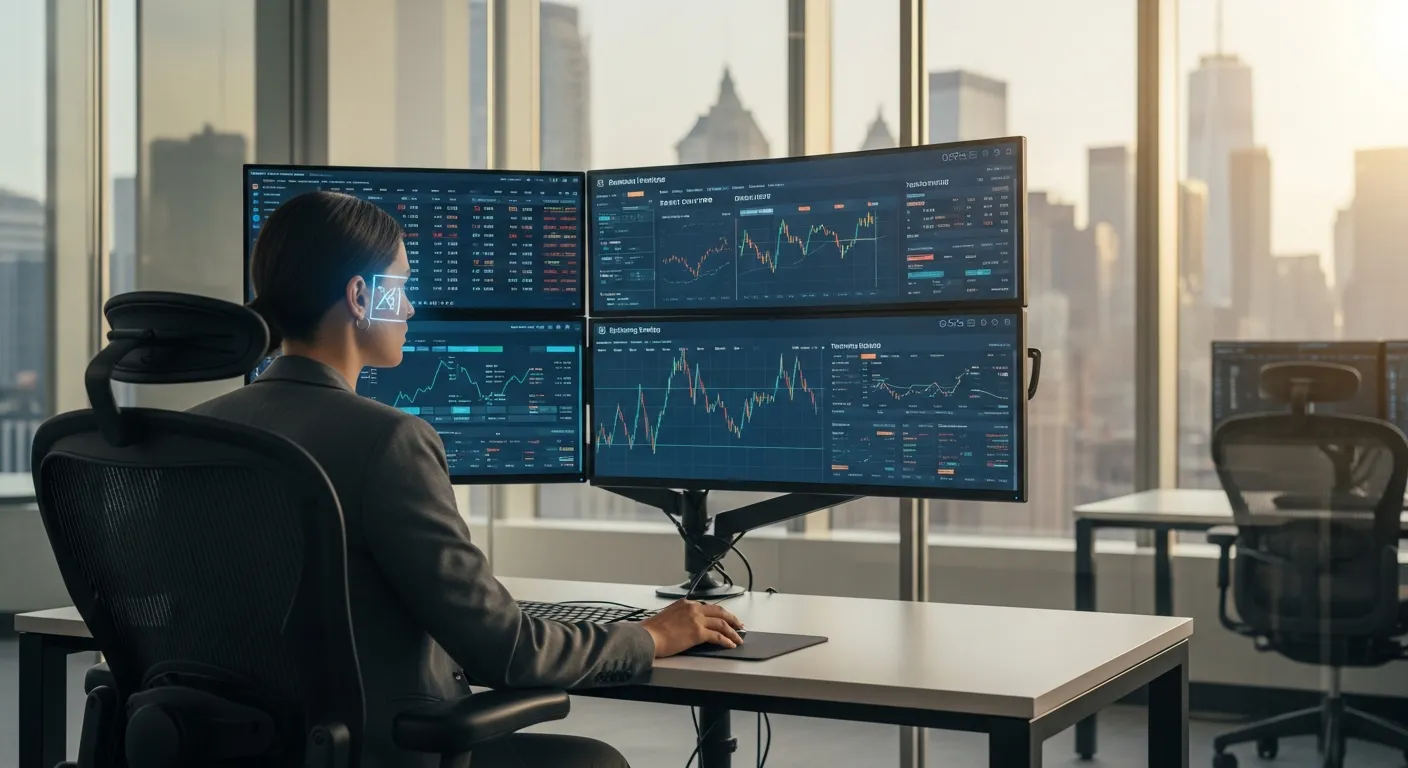
In my view, the most significant shift this year is the dominance of institutional volume over retail noise. The liquidity flowing through exchanges is now driven by automated market makers and algorithmic execution strategies utilized by family offices and hedge funds. This means the spread, the difference between the buying and selling price, has tightened considerably on major pairs. For you, this equals better trade execution, provided you are on a platform capable of handling this throughput without crashing during high-traffic events. The market has grown up, and your approach to selecting a venue must reflect this new level of professional expectation.
Critical Factors for Selecting a Trading Platform
Institutional-Grade Security and Custody
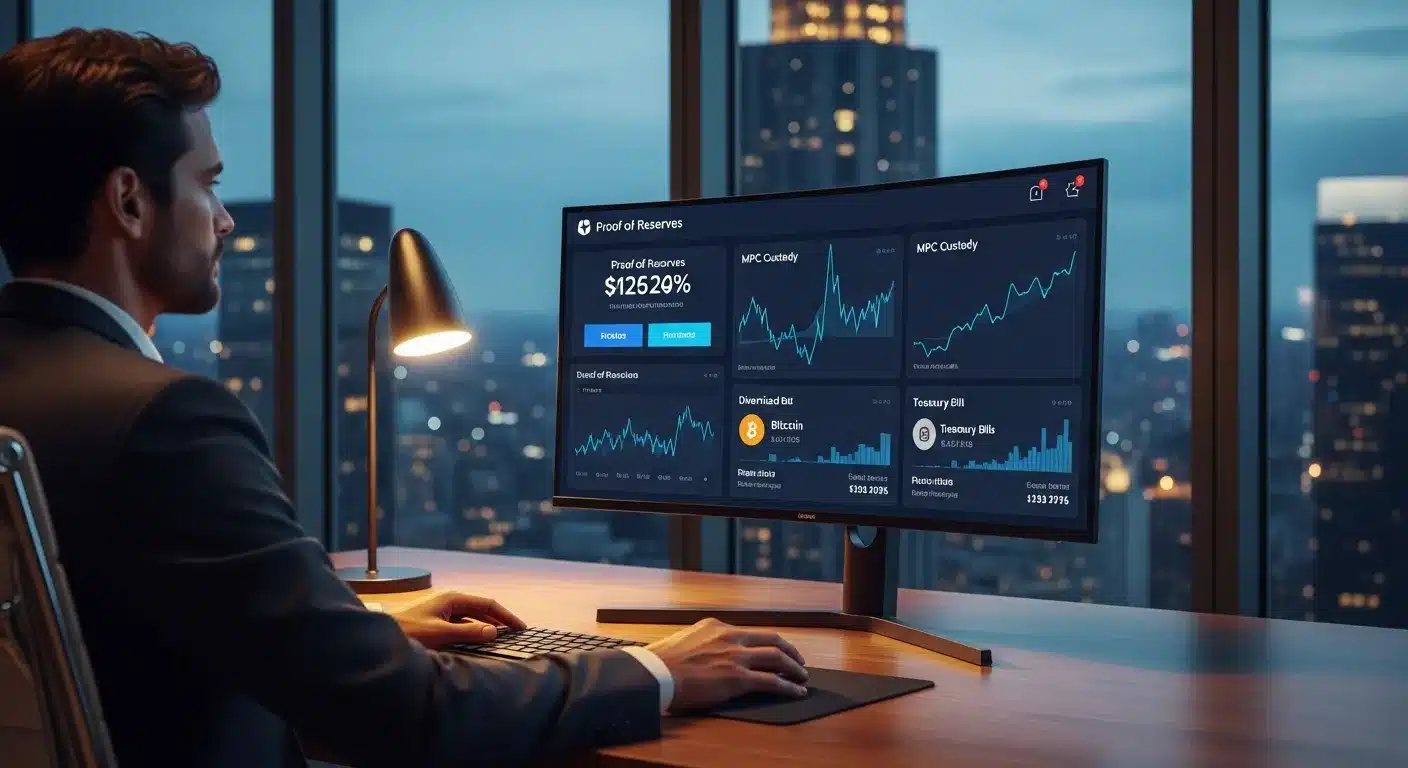
When you manage significant capital, security protocols are not just a feature: they are the foundation of your risk management strategy. You need to look for exchanges that have moved beyond simple cold storage and now employ Multi-Party Computation (MPC) technology. This eliminates the single point of failure inherent in private keys. In my analysis of current platforms, the best exchanges in 2026 also provide third-party insurance policies that cover assets even while they are in hot wallets. You should verify that any exchange you consider conducts quarterly, if not monthly, Proof of Reserves audits with reputable accounting firms. If an exchange cannot prove they hold your assets 1:1 against their liabilities on-chain, you should walk away immediately. There is no room for fractional reserve banking in your crypto strategy.
Fee Structures and Liquidity Depth
For serious investors, the headline fee rate is often less important than the cost of slippage. If you try to execute a large block order on an exchange with thin liquidity, the price impact will cost you far more than the trading fee itself. You need an exchange with deep order books and active market makers to absorb your volume without moving the price against you. Pay attention to the tiered fee schedules. Many platforms now offer rebate structures for market makers or high-volume takers. It is worth calculating your projected monthly volume to see which tier you fall into, as the difference between a standard fee and a VIP tier can amount to thousands of dollars in savings annually.
Regulatory Compliance and Licensing
Gone are the days when you could safely trade on an offshore platform with no headquarters. Global regulators have tightened the net, and using a non-compliant exchange puts you at risk of having your funds frozen or your transactions flagged by your bank. You must ensure the exchange holds valid licenses in your specific jurisdiction, such as a BitLicense in New York or registration with the FCA in the UK. Compliance also extends to tax reporting. The best platforms now integrate directly with tax software or provide detailed cost-basis reports, saving you massive headaches during tax season. Using a compliant platform ensures that your off-ramp back to fiat currency remains open and uninterrupted.
Top Centralized Exchanges for Professional Investors
When we look at the centralized giants dominating 2026, a few names stand out for their resilience and service to professional clients. Coinbase continues to be the benchmark for US-based investors, particularly through its Prime offering. If you are managing corporate funds or a large personal portfolio, their integrated prime brokerage solution offers the smart order routing and custody segregation that mirrors Wall Street standards. It is not the cheapest option on the market, but the premium buys you peace of mind and regulatory ironcladness that few others can match.
Kraken has also solidified its position by focusing heavily on security and transparency. I have found their interface to be less cluttered than competitors, focusing strictly on execution and funding. Their banking relationships have remained stable, which is critical when you need to move large fiat sums in and out of the market quickly. On the international stage, Binance remains a liquidity behemoth. While their regulatory journey has been complex, their sheer volume ensures that you can enter and exit positions in almost any altcoin with minimal slippage. For pure trading execution, they remain difficult to beat, though you must be vigilant about which specific entity of theirs you are onboarding with to ensure it matches your residency requirements.
Leading Decentralized Platforms for Self-Custody
You might prefer to keep total control of your assets, avoiding intermediaries entirely. Decentralized exchanges (DEXs) in 2026 have improved drastically in terms of user experience and capital efficiency. Uniswap remains the leader here, with its latest protocol upgrades allowing for highly specific liquidity provisioning. This allows you to trade with slippage rates that compete with centralized counterparts, all while retaining custody of your private keys. It is the go-to venue if you are looking to access tokens that have not yet been listed on major centralized platforms.
Another strong contender for your attention is Curve Finance, particularly if your strategy involves stablecoins. Their algorithms are specialized for assets that trade at a similar price, minimizing loss during swaps. For those of you interested in cross-chain activity, the friction that used to exist between networks like Ethereum, Solana, and Layer 2s has been smoothed over by aggregators like Jupiter and 1inch. These platforms scan multiple liquidity sources across chains to find you the best price. While self-custody requires you to be your own security team, the tools available now make it a viable alternative for a portion of your portfolio.
Emerging Features: AI Trading and Tokenized Real World Assets
The convergence of artificial intelligence and blockchain has finally moved past the hype phase into practical utility. Many top exchanges now offer AI-assisted trading terminals. These are not just simple bots: they are personalized assistants that analyze market sentiment and on-chain data to suggest entry and exit points tailored to your risk profile. You can set parameters for these agents to execute trades on your behalf when specific complex conditions are met, freeing you from staring at charts all day.
Besides, the tokenization of Real World Assets (RWAs) has exploded this year. You can now trade fractionalized ownership of commercial real estate, US Treasury bills, and corporate bonds directly on crypto exchanges. This allows you to diversify your portfolio without leaving the crypto ecosystem. We are seeing a blurring of lines where your crypto exchange account begins to look more like a unified investment account, holding everything from Bitcoin to tokenized equity in a single dashboard.
Conclusion
Selecting the best crypto exchange in 2026 is no longer about finding the only lifeboat in a storm: it is about choosing the liner that offers the best service for your journey. Whether you prioritize the regulatory fortress of a platform like Coinbase, the sheer liquidity of Binance, or the autonomy of a decentralized protocol, the tools at your disposal are powerful. You should weigh the importance of custody, fees, and asset variety against your specific financial goals. The market has matured, and your strategy for accessing it must be equally sophisticated. Take the time to verify the security credentials and liquidity depth of any platform you choose, as the safety of your capital is the ultimate metric of success.
Frequently Asked Questions
What is the best crypto exchange 2026 for professional investors?
For US-based institutions, Coinbase Prime is the benchmark for regulatory safety. Kraken is a top choice for transparency and banking stability, while Binance remains the leader for global liquidity and pure trade execution on diverse pairs.
How do I verify if a crypto trading platform is safe?
Look for exchanges that use Multi-Party Computation (MPC) for custody and conduct monthly Proof of Reserves audits. Ensure the platform holds valid licenses (like a BitLicense) and can prove 1:1 asset backing on-chain to avoid insolvency risks.
What is the difference between centralized and decentralized exchanges?
Centralized exchanges (CEXs) like Coinbase manage custody and facilitate fiat transfers, making them easier for beginners. Decentralized exchanges (DEXs) like Uniswap allow you to trade directly from your private wallet, offering self-custody and access to tokens not yet listed on major platforms.
Can I trade real-world assets on crypto exchanges?
Yes, many top exchanges in 2026 support tokenized Real World Assets (RWAs). Users can trade fractionalized ownership of commercial real estate, US Treasury bills, and corporate bonds directly alongside digital assets in a unified dashboard.
Do I need a personal wallet to use a crypto exchange?
Not necessarily for centralized exchanges, as they provide a custodial wallet upon sign-up. However, for maximum security or to use decentralized protocols, you should set up a self-custody wallet to control your own private keys.